General psychiatry and psychotherapy with outpatient clinic

201
202
200
203
204

Address: Calwerstraße 14
72076 Tübingen


Person profile: 07071 29-82311


Fax number: +49 7071 29-4141


Neurophysiology and Interventional Neuropsychiatry (NiN)

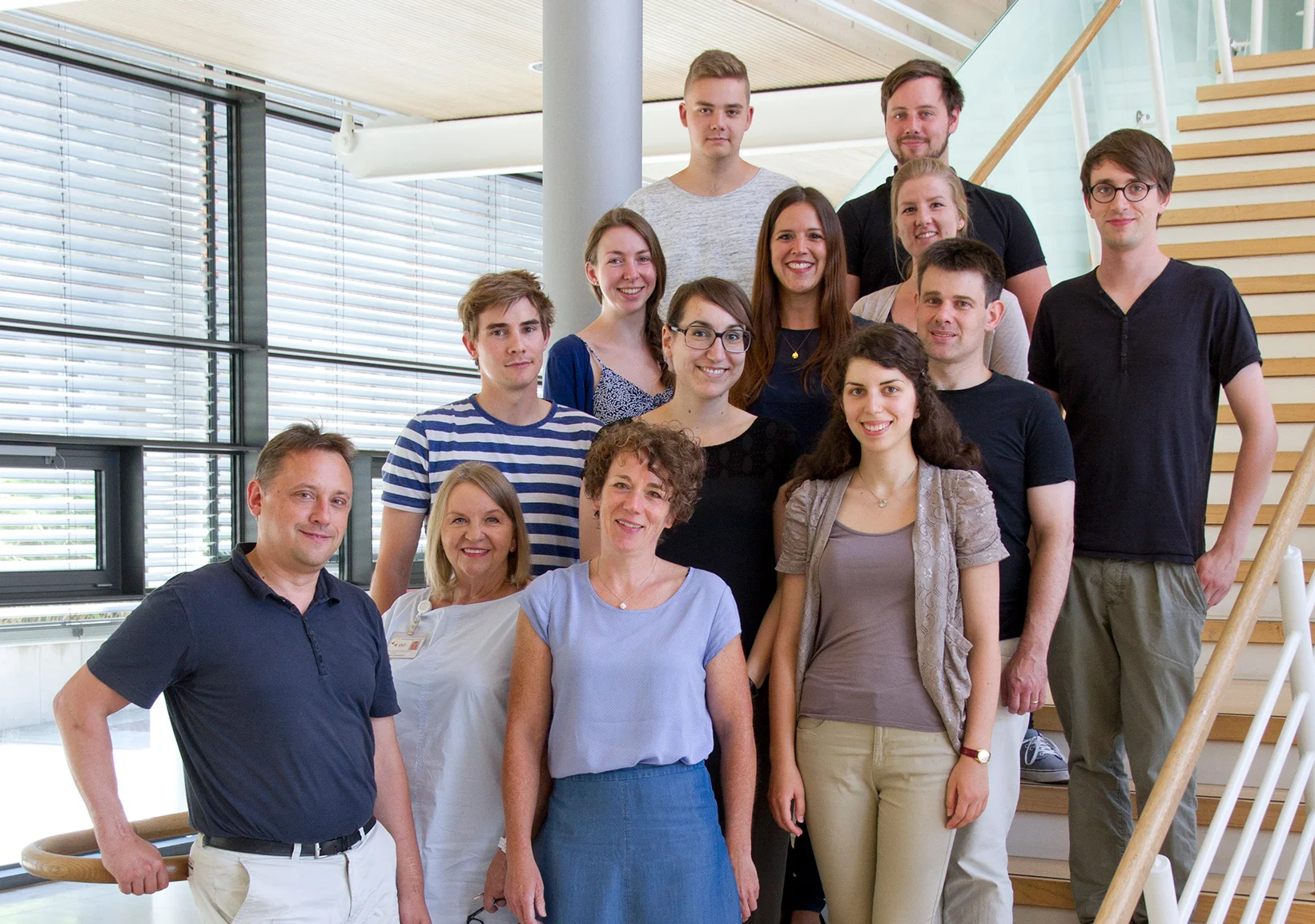
NiN is concerned with the fundamentals and therapeutic use of the brain's adaptability (neuroplasiticity). By investigating the effects of transcranial brain stimulation procedures and targeted training, insights are gained into the healthy functioning of the brain and its impairments. The goal is to use this approach to develop new, effective and tolerable ways to treat mental illness.

The area includes clinical care as well as basic and patient-oriented research and teaching tasks.

The methodological focus is on transcranial magnetic stimulation (TMS), transcranial direct current stimulation (tDCS) and the use of playful elements in cognitive training programs (gamification) for psychiatric disorders. Effect and mode of action are investigated with clinical, neuropsychological, neurophysiological and imaging examination methods. As part of the treatment routine, TMS, EEG diagnostics, individualized cognitive training programs and electroconvulsive therapy (ECT) are performed and scientifically evaluated.
Contact

Secretariat:
Diana Thoma

+49 7071 29-86119

christian.plewnia@uni-tuebingen.de


Management:


frontend.sr-only_#{element.icon}: Prof. Dr. med. Christian Plewnia


More about the person

Research

A characteristic feature of the human brain is its ability to adapt to changes in the environment, the body and itself (neuroplasticity). The underlying neurophysiological mechanisms are still largely unknown. Adaptive neuroplasticity supports recovery from damage to brain structure or function. 'Maladaptive' neuroplasticity, however, may also underlie a variety of psychiatric and neurological disorders.

The work of our group focuses on the physiological and pathophysiological basis of adaptive and maladaptive neuroplasticity. Corresponding studies are performed in healthy individuals and for patients with psychiatric disorders. Electrophysiological methods, invasive and non-invasive brain stimulation procedures, cognitive training programs and imaging techniques are used for research and experimental therapeutic modulation of brain functions.

Our clinical trials

As part of our research, we conduct clinical trials to systematically investigate and further develop novel neurophysiological and interventional approaches. Our goal is to evaluate the efficacy and safety of innovative treatment methods in psychiatry and to establish an evidence-based foundation for their use in everyday clinical practice. Our focus is on patient-centered research and the continuous improvement of diagnostic and therapeutic options.

Participation in the study

Are you interested in participating in one of our innovative treatment approaches? Please feel free to contact us. We are currently recruiting participants for the following studies:

Early Treatment of Depression (earlyTMS)

Clinic

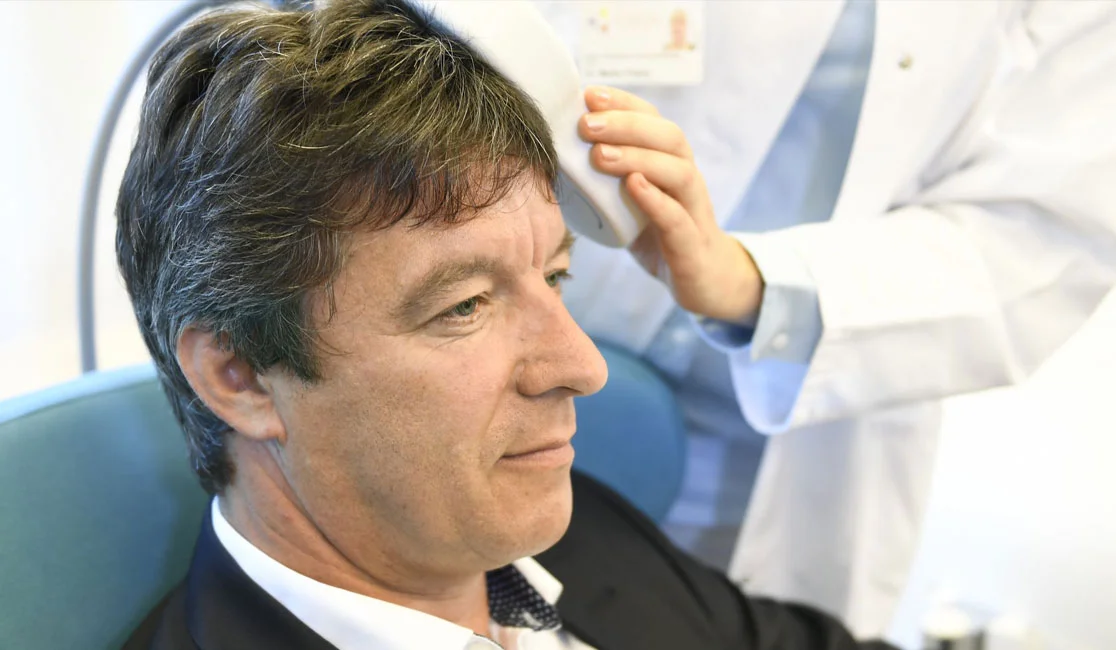
TMS provides a method to measure brain activity and to modulate it non-invasively in a targeted and controlled manner. Thus, this technique represents an important research tool in biological psychiatry and also offers interesting therapeutic options for various psychiatric and neurological disorders.

In the field of psychiatric disorders, this technique is currently used in particular for the treatment of depression and auditory hallucinations. We offer this therapy method within the Center for Brain Stimulation (ZfH) and coordinate several large, multi-center studies on the clinical application and further development of this treatment method.

ECT is a scientifically founded procedure which represents the best possible treatment for certain psychiatric illnesses and is associated with a low risk in relation to the desired therapeutic success. It is used in our clinic primarily for the treatment of therapy-resistant severe depression and catatonia. Indications and treatment are determined in accordance with the guidelines and internal procedural instructions.

Statement of the Medical Association on ECT

THS, also known as a "brain pacemaker", is an effective and well-tolerated treatment option for neurological movement disorders that cannot be adequately treated by other means. Via a surgically implanted stimulator, similar to a cardiac pacemaker, electrical impulses are continuously delivered via a cable to specific regions of the brain. This stimulation influences the brain activity that is responsible for the disabling disease symptoms. In recent years, THS has also been successfully applied to psychiatric disorders and is used here in cooperation Neurosurgical and Neurological University Hospital in individual cases (Plewniaet al. Int J Psychopharm 2008, Rzesnitzek et al. Neurology 2011). In addition, the Department of Psychiatry and Psychotherapy is involved in the treatment of all patients with THS.

The EEG is an important neurophysiological method of psychiatric diagnostics and also serves to monitor the course of treatment of special drug therapies.

Center for Brain Stimulation

The Center for Brain Stimulation (ZfH) of the Department of Psychiatry and Psychotherapy offers targeted therapy with all innovative brain stimulation methods.

Learn more

Teaching

Teaching offerings include elective courses, doctoral colloquia, and residency training events.

Learn more

Jobs, internships and theses

We offer interested parties the opportunity to join us in the form of Bufdi positions, HiWi jobs, internships or final theses (Bachelor, Master, Doctorate).

Our work in research and treatment is wide-ranging. As a result, you will have the opportunity to work on a variety of ongoing projects with us, or to develop your own ideas. Potential areas of work may include, for example, conducting screening phone calls and diagnostic interviews, data processing, using non-invasive brain stimulation techniques, digital interventions, or other novel therapeutic methods. You will work closely with us yet also independently on current research projects. The exact tasks and scope of work will be agreed upon individually.

  • A current or completed university degree in psychology, medicine or a related natural science field. For Bufdi positions, a completed school education.
  • Good knowledge of German and English.
  • Reliability and a desire to work in a team.
  • Flexibility and willingness to learn new topics.
  • Interest in and empathy for people with mental illness.

If you are interested or if you would like to send us a speculative application, please send your application documents to:

nin@med.uni-tuebingen.de

Discover our current vacancies here. If no suitable position is currently advertised, we look forward to receiving your unsolicited application.

Certificates and Associations